


We have arrived in deep summer, the time of the year when the heat and humidity accumulate to the point that no one has much energy for anything. This is margarita weather—not merely because the drink is cold, or because tequila and lime have become shorthand for vacation, but because the margarita may be the best summer drink ever devised: bright, salty, bracing, impervious to a bit of dilution and cold enough to, however briefly, relieve the summer doldrums.
And yet, at some point, the margarita became a cocktail people feel compelled to apologize for. “I’ll have a skinny margarita, please.” As if the unmodified version were a moral failing. As if the word “skinny” were some kind of absolution, a tiny public flag that says: I’m not one of those people who drinks sugar.
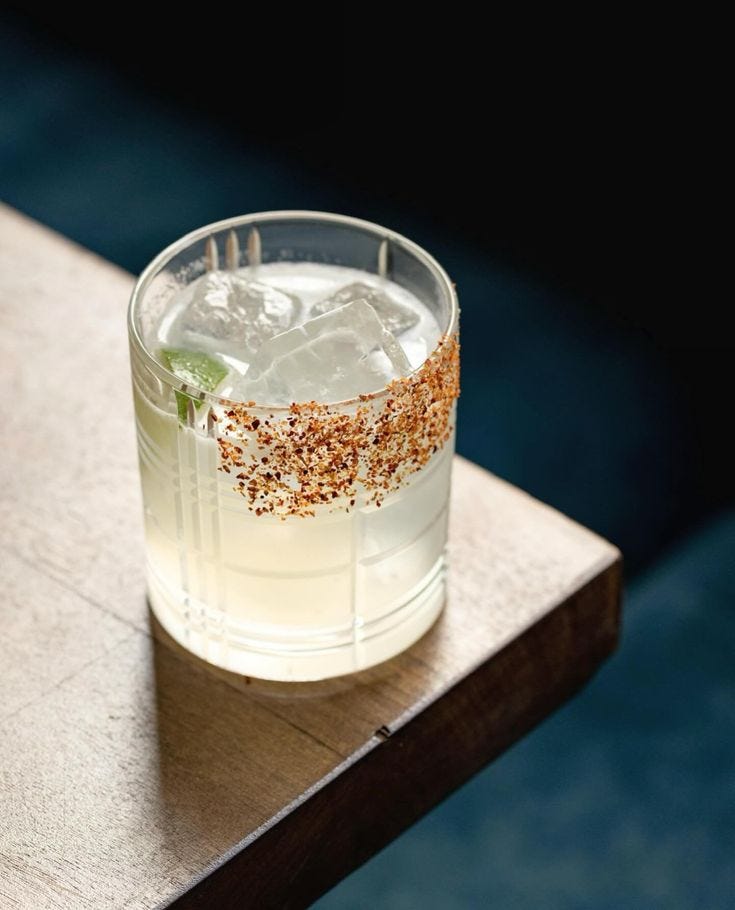
The instinct did not come from nowhere. Over the years, the standard margarita was steadily de-standardized, at least compared with other classic cocktails. For decades, the default at a lot of bars and restaurants was tequila buried beneath a neon-yellow slurry of sour mix, chemically sweet in the way that coats your teeth. The frozen margarita machine, invented by Dallas restaurateur Mariano Martinez in 1971, made the drink faster and more consistent—and helped turn it into an industrial product. The ice crystals could make the drink so cold as to numb the palate. People learned to distrust the margarita because the margaritas they were being served were genuinely bad. So they started modifying: fresh lime juice, no sweetener, no triple sec, and as a result, no fun. They were reacting to a real problem.
But there is an interesting line between correcting a badly made drink and dismantling the thing that makes the drink work. Once you have spent years being served margaritas that are too sweet, too frozen, too artificial, it is easy to conclude that the answer is subtraction. Take out whatever seems excessive. The trouble is that a cocktail is a structure, and not everything that looks like an excess is expendable.
Here is what that reaction produced: tequila and lime juice, shaken, strained, served up. This is not a delicious cocktail. It is bitter acid and alcohol in a staring contest, with nothing around to break the tension.
All respect to Queen Frankel, whose Skinnygirl Margarita built an empire on the promise that women could drink without consequences—caloric, social, or otherwise—but skinny-margarita culture has escaped its origins and metastasized into something worse: a default assumption that the margarita needs to be modified in order to signal something about the drinker, that the drink itself, in its proper form, is somehow wrong or excessive, and that the only respectable margarita is the one stripped down to its most punishing expression.


This is insane because the margarita is a basically perfect cocktail. Its precise origin is disputed, with the usual assortment of bartenders, socialites, showgirls, and border-town restaurants laying claim to its invention. The most convincing story is that the margarita is a tequila Daisy. “Margarita” is Spanish for “daisy,” and the Daisy was already a well-established family of drinks built from spirit, citrus, and liqueur or syrup. The Sidecar is a notable example that uses Cognac as the base spirit. Substitute tequila and lime, add orange liqueur, and the margarita looks like a logical Mexican-American expression of a structure bartenders already understood.
The margarita, as a mutation of the Daisy, belongs to the broader sour family, one of the oldest and most reliable forms in drinking: spirit, citrus, sweetener (consider the Daiquiri). Each depends on the same triangulation. Acid sharpens the alcohol; sugar softens and extends the acid; the spirit gives the whole thing a reason to exist. Remove one point and the drink collapses. You cannot subtract the sweetening element from a sour and expect it to retain its shape.
This is also why the argument over the “right” margarita is more interesting than it first appears. The drink does not have to be immutable to remain itself. Cocktails are living things. They have always been adapted to different spirits, different ingredients, different tastes. The question is not whether a guest—or a bartender—should be allowed to change a margarita. The question is whether the change understands the drink well enough to preserve what makes it a margarita in the first place.
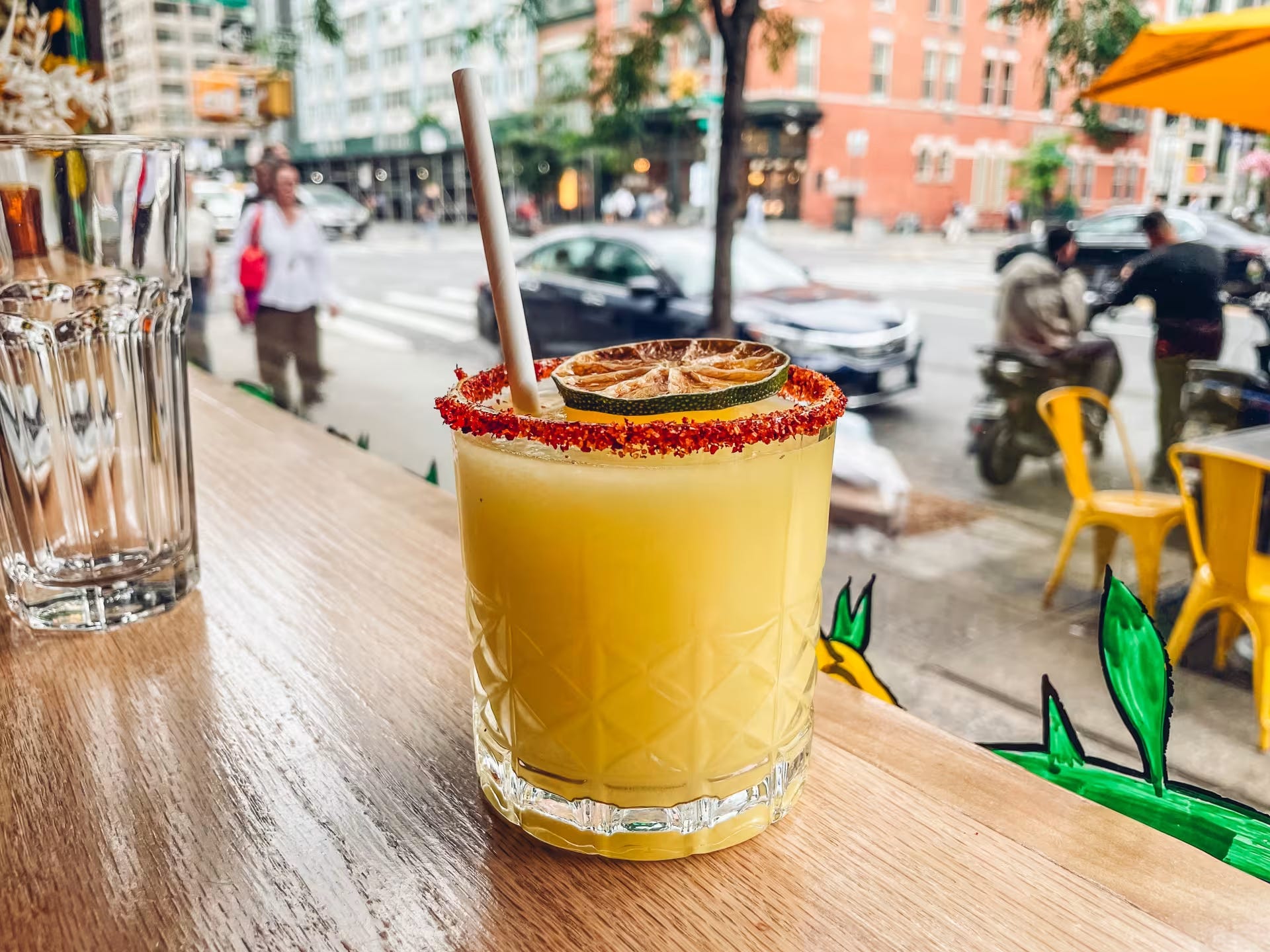
So what is a margarita, actually? There is no universally binding spec, but two ounces of tequila, one ounce of fresh lime juice, and one ounce of orange liqueur is a reliable place to begin. Depending on the tequila, the liqueur, and the lime, some versions benefit from a quarter-ounce of agave syrup. That quarter-ounce often does real work to make the drink sing. It does not necessarily make the drink taste sweeter; it makes the drink taste more fully like itself. It draws out the ripe, floral, sometimes peppery qualities of blanco tequila that can disappear when lime is allowed to dominate. It gives the cocktail room to breathe.
The orange liqueur deserves a word as well, because most people do not know what they are actually removing when they ask for a margarita “with no triple sec.” Curaçao is the older, broader tradition of orange liqueur, historically associated with bitter orange peel and produced in a range of styles and base spirits. Triple sec emerged later as a generally clear, drier French style of orange liqueur, although the categories have always overlapped and the terminology owes at least as much to branding as to strict taxonomy. Cointreau is a triple sec. Grand Marnier combines orange liqueur with Cognac. Pierre Ferrand Dry Curaçao uses brandy and Cognac to produce something richer, spicier, and more savory.
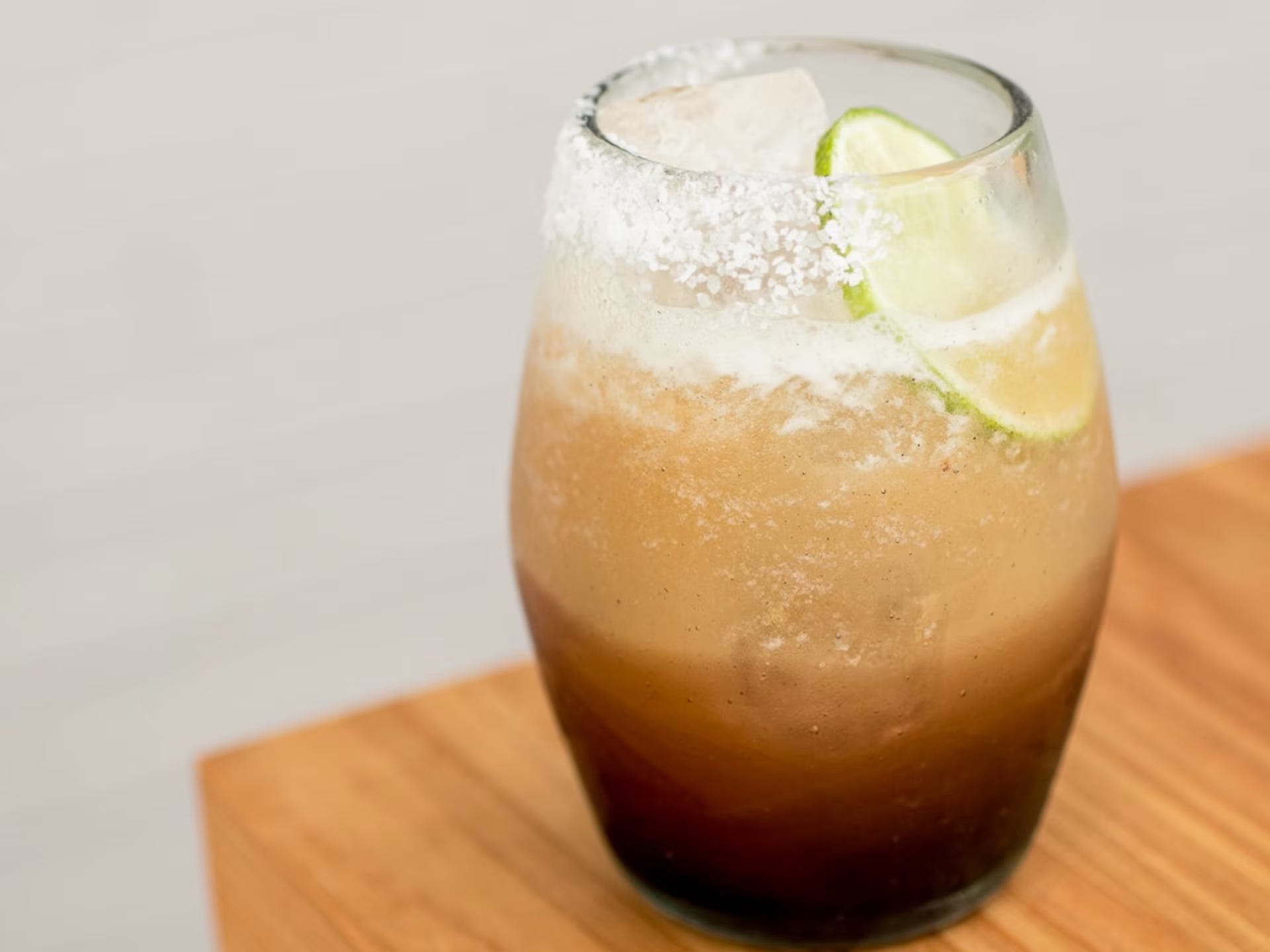
Each changes the drink. A margarita made with Cointreau is clean, bright, and emphatically citrusy. One made with Grand Marnier is rounder, weightier, and more decadent—the basic idea behind the Cadillac Margarita, which includes a float of Gran Marnier on top of the drink after it’s been poured (not bad, but currently, extremely out of fashion). Pierre Ferrand Dry Curaçao lands somewhere else again, bringing oak, spice, and a faintly bitter complexity. These are not interchangeable afterthoughts. Orange liqueur is a structural member of the cocktail, and changing it changes the architecture. It also changes whether that extra quarter-ounce of agave is necessary at all.
The Tommy’s Margarita is the exception that proves the rule. Created by Julio Bermejo at Tommy’s Mexican Restaurant in San Francisco in the late 1980s, it removes the orange liqueur and replaces it with agave nectar: two ounces of tequila, one ounce of lime, half an ounce of agave. It works because the agave is performing the binding work the orange liqueur would normally handle, and because the drink was explicitly designed to showcase the tequila itself. This was partly the point: Bermejo helped teach American drinkers to care about 100-percent-agave tequila at a time when the category was still dominated by cheaper mixto bottlings. The Tommy’s is not a margarita with the pleasure removed. It is a margarita reoriented around the spirit, and it succeeds because it remains balanced. It is not the default, and it is certainly not a skinny margarita.
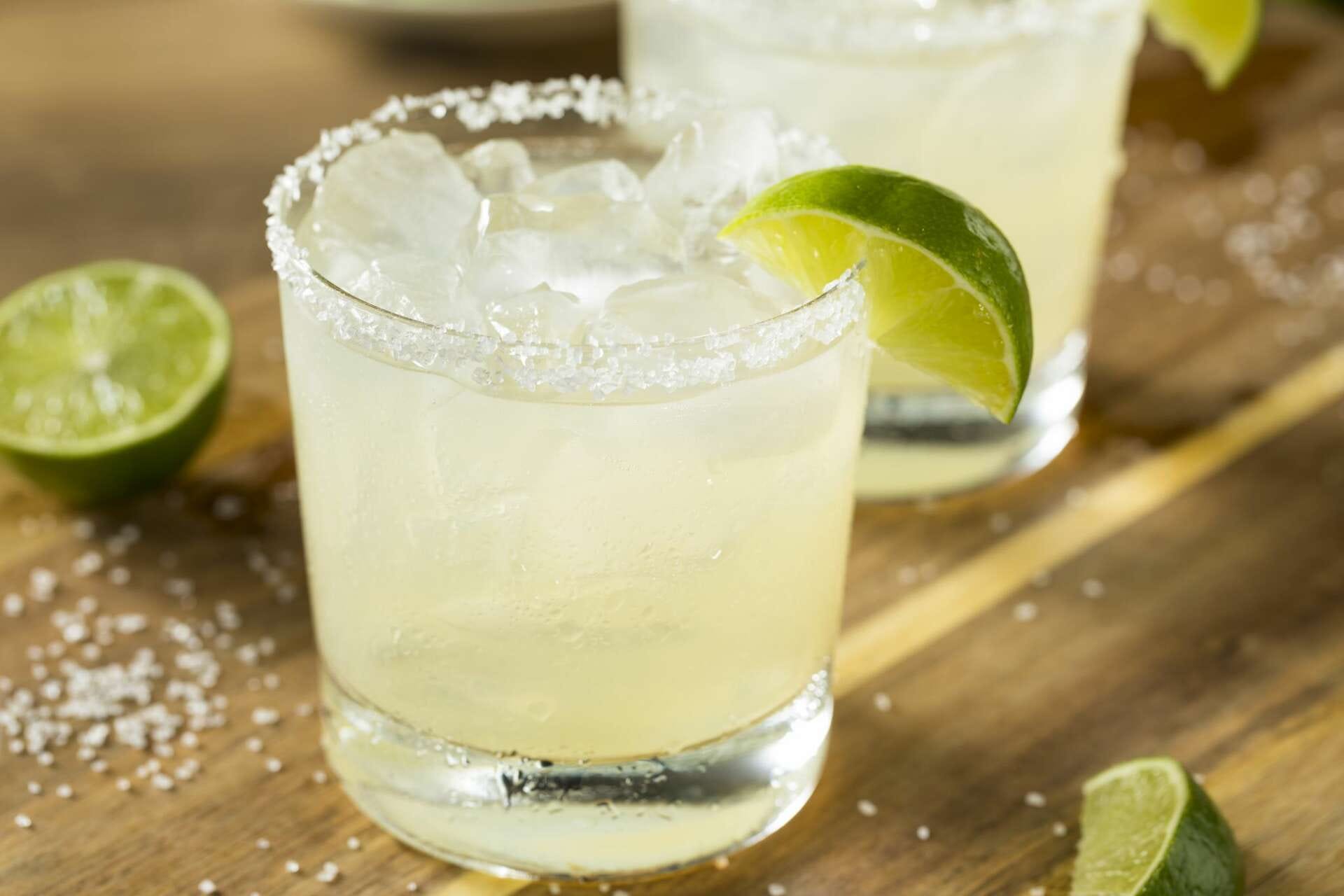
Which brings us back to the bar. A guest is not wrong for wanting to modify a drink. A bartender is not wrong for wanting to protect the thing they have spent time designing. Hospitality has always contained this tension: the obligation to accommodate the person sitting in front of you, and the obligation to stand behind the experience you have created for them. The best version of hospitality probably lives somewhere between those two impulses. You should be able to say yes when a modification makes sense, and you should be able to say, gently, that removing something will make the drink worse.
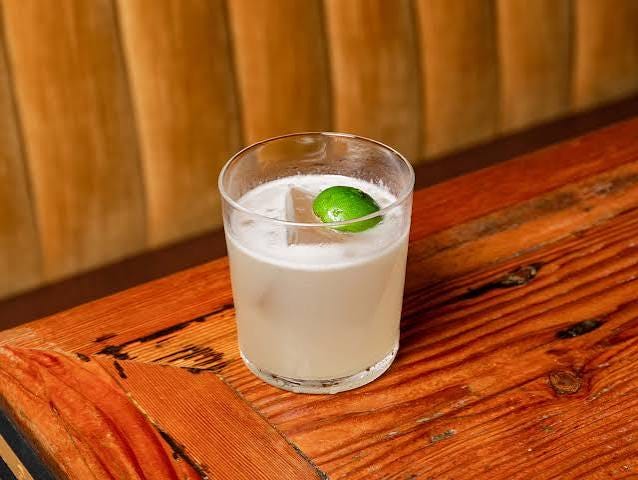
In search of answers, we reached out to Keith Larry to see how that tension plays out on the ground. Keith is a veteran of the New York cocktail world—Employees Only, the Beatrice Inn, Little Rascal—and he recently opened Bar Etienne in the West Village.
Keith partnered with the team from Bar Valentina and took over the old Bandits space, swapping the checkered floor for terrazzo and serving a menu that leans into precision: a tomato martini, steak au poivre, and a French onion grilled cheese. It is the kind of place built on the idea that the kitchen and the bar know exactly what they are doing.
Even so, the “no sugar” request follows him there. Guests ask for a margarita with no agave and no Cointreau, and then send it back because it tastes too sour. Go figure. Keith’s own margarita specification is a wise one, and a masterclass in splitting the difference. He doesn’t do the classic full ounce of orange liqueur, but he doesn’t do the “skinny” zero-sugar void either:
2 oz tequila
1 oz lime
.5 oz Cointreau
.5 oz agave
By splitting the binder between Cointreau and agave syrup, you get a drink that is still sharp and tart, but balanced enough that you can actually taste the fruitiness of the tequila. You might call Keith’s spec a ‘half-skinny’ if you want to really split hairs. It is a small adjustment, but an instructive one. The guest gets something that feels tailored, while the bartender retains the proportions that make the drink function.
That is the larger lesson. True hospitality is not simply the willingness to say yes to every request. It is knowing when a modification enhances the experience and when it undermines it, and having enough conviction to protect the latter.
The best bars are not necessarily the ones that give guests precisely what they ask for. They are the ones that understand what the guest is actually trying to achieve, and can get them there without sacrificing the integrity of the thing they came to experience in the first place.
I like your larger argument about figuring out workable paths to a guest's intended outcome (rather than just acceding to their explicit requests), but what are some of the places you've seen a skinny margarita spec'd as just tequila and lime juice? Even the bottle of the branded product mentions agave nectar in the description on the front. I searched around a bit--admittedly limited scope--and found ones that call for (a) agave nectar, (b) artificial sweeteners, (c) orange juice, and (d) sodas like Fresca in addition to tequila and lime, but not just the two ingredients.
So beautifully explained, infused with the generosity of steering the guest toward pleasure rather than simply following their instruction.